 Dear Friends: We are in Mérida, Mexico, in the Yucatán Peninsula, where yesterday it was 98 degrees. Today is to be 101. And tomorrow, the temperature will be 104. That’s one-hundred-and-four degrees farenheit! It’s taken us several days to adapt to such a hot climate, or perhaps I should say to learn to survive. The first days we rushed about, stayed out in the mid-day heat like mad dogs, ate too large a lunch at 12:00 sharp, then collapsed in our hotel for several hours in a siesta-stupor. The only thing to revive us was dipping into the grotto-like swimming pool at our small hotel, where M. and I donned swimming suits and swam a few strokes for the first time in about 10 years.
Now we’ve learned: Like the locals, you go out and about in the early morning, (walking very slow), have lunch between 1:00 and 3:00, stay indoors between 3:00 and 8:00, and venture out for nighttime activities at about 9:00 (when concerts and other cultural activities start). We have a couple of margaritas about 10:30 PM on one of the leafy plazas, and go to bed about midnight. It’s a wild life for us (in Cañar, we’re in bed before 9:30, and the difference in temperature between there and here is about 50 degrees F.)
But we are enjoying ourselves nonetheless, in part because we’ve ended up in this quirky small hotel in the historic center where we are the only guests.
 Casa Mexilio is a colonial townhouse converted into a warren of eight high-ceilinged rooms, narrow twisting stairways, terraces in surprising places, interior balconies with tile awnings (Escher could have been the architect), a small limestone pool at ground level, wrought iron galore, and crammed with Mexican antiques. Oh, and I didn’t mention the mourning cat who has recently lost her three kittens (died soon after birth) and wanders around at night, howling for them. We call her la gata llorona, the crying cat.

(Our room)

The “sala,” or breakfast room, but since no breakfast is offered because we are the only guests, every morning we go around the corner to this lovely place, La Flor de Santiago.


Tripadvisor respondents had many complaints about Casa Mexilio: rude ex-pat owner (“too long in Mexico”), dusty, creepy, Dracula-like. But I had a feeling these might endear us to the place, so I made a reservation for five nights in the Enrique Granados room (a famous Mexican composer). Also, I confess, I like staying in a place where we don’t have to talk to anyone, especially other sun-stunned tourists (like us) that I see out on the streets in large groups, or couples arguing in the market about what Yucatán handcrafts to buy.
Mérida itself has been something of a disappointment. Perhaps because it is so hot, much of life takes place behind tall walls and closed doors. Every house and hotel has a beautiful garden, patio, or terrace inside, but out on the narrow streets traffic thunders by at frightening speeds. The noise level is terrific. Many streets in the historic center are lined with run-down houses, some nothing but facades. Because this is a UNESCO city, these houses cannot be torn down, but neither do the owners want to invest the money to restore them. Many properties are for sale.

And tourism has come full-tilt to Mérida, so streets in tourist areas are teeming with aggressive and insistent vendors and hawkers, haranguing us in broken English to eat at their restaurant or buy their handcrafts or take their tours to Maya sites. In contrast are the quiet and sad-eyed Mayan village women who walk the streets day and night offering their blouses and bags. I finally don’t want to make eye contact with anyone. and that’s no way to travel.
We leave Mérida tomorrow for Campeche, about three hours away by bus, a “colonial gem” on the coast where it’s reported to be even hotter. But a storm is predicted which should bring cooler temperatures. Then we head for the mountains of Chiapas, San Cristobal de las Casas, where hotels have fireplaces and heated floors. Ah, heaven…….
(Finally, a few images of the beautiful floors in every old house, called “baldosas,” tiles made of poured cement with dyed patterns – classic Mexico.)


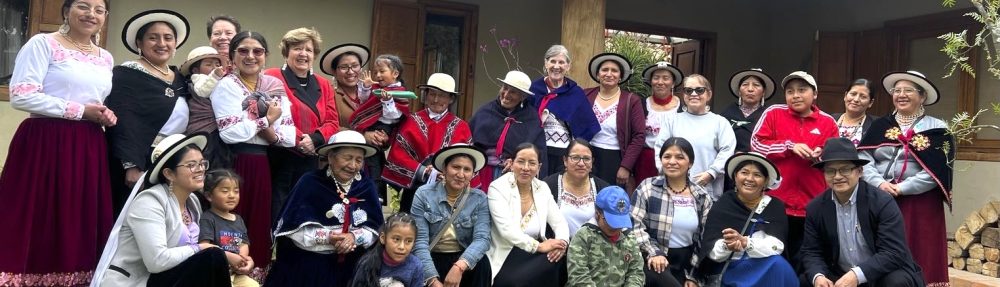
 Avoided, underrated or just plain forgotten, Cañar is a town that’s been fighting a bad reputation for several centuries, at least among Ecuadorians. “You live in Cañar? Isn’t it cold? Isn’t it boring? Isn’t it homely? What do you do there?” Continue reading


