 Well, the dust has settled and things are pretty well back to normal. Today we have no water service, my internet has been intermittent, the power was off the other day, and a sewer project has left a six-foot-deep open trench in our road that we had to leap over to get to our house, until Michael put down this makeshift bridge the other day.
The sewer project has resulted in broken water lines by the end of nearly every day. The next morning city workers come to fix things and we have water for another few hours to fill our reserve tank. Yesterday, we were profligate, and without thinking we watered the new lawn and I worked for hours in the darkroom, washing prints with an open faucet. We hadn’t noticed the tank was emptying until not a drop was left. Today, Michael is pacing around thinking up a new warning system valve that will turn on a light in the house when the tank is emptying (a pump keeps it topped off, but only when water is coming in from the street). Oh, and the buzz of chainsaws in the background reminds me the beautiful line of cypress and eucalyptus trees on the other side of our road is being leveled and turned into lumber. Apparently some neighbors feared the trees would fall on their houses, and they got an order from the city. The landscape and hardscape around us change constantly, usually for the worse (sewer project excluded) and we just have to roll with it.

* * * * *
Thanks to all of you who responded so enthusiastically to the New York Times article last week. ( http://www.nytimes.com/2013/06/06/garden/a-second-home-in-the-andes-worth-the-4300-mile-trek.html?pagewanted=all&_r=0)

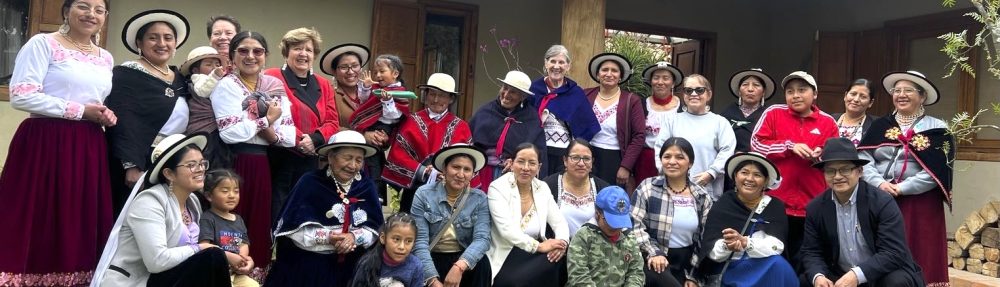
And a special thanks to writer Sandy Keenan and photographer Tony Cenicola who did such great work while visiting us here in Cañar. Both produced a tremendous amount of good material, which the editors then … edited. This is the reality of journalism, and some stuff important to us ended up on the cutting room floor, such as images of indigenous neighbors and mention of the Canari women’s scholarship program. By the way, Portland friends, Sandy is looking for a good Portland story – it has to have an interesting house but more important, interesting people and ideas. She is presently doing a story on passive houses in Seattle area, for example. Send along any ideas and I’ll forward to her.
Meanwhile, Michael is making bread using a book brought by Tony, that M. insists is changing his life (or the way he makes bread anyway): My Bread, by Jim Lahey of the Sullivan Street Bakery in Manhattan. Very little yeast, very wet mass, no knead, 18 hours to rise (that’s a warming light over the bread dough). The first result was chewy baguettes and some of the best bread we’ve ever eaten. Since then M. has made pizza, tapas, panini, and is now looking forward to finding some of the more exotic ingredients once back in Portland (e.g. speck with pecorino sandwich).


Finally, we are down to the last three weeks of our 2013 Canar sojourn. While I increasingly daydream about Portland – warm days, summer nights, cotton dresses, old friends – I have so many great projects still going on here, and friends to see and things to do that I can’t imagine leaving.
But this is the “delightful pull” of living in two places. I hope to send another blog from Canar before we leave on July 3. Below: the view from our porch yesterday…those are peas coming up in the back field.

